

Sustainability | Gardens, soils & water systems
The gardens at Willinga Park are designed to do two things at once. They create an immediate sense of arrival for visitors, and they deliver a lasting environmental benefit to the property. Planting was always planned as permanent landscape, not temporary colour. It cools and softens built spaces, frames views, guides how people move through the site and sets the visual tone from the moment you arrive. It also provides shade, nectar, habitat and microclimate control.
From the start, large areas of native planting were established and then expanded as each new arena, pathway and precinct came online. The landscape matured alongside the infrastructure instead of being added as an afterthought. Low phosphorus soil blends and well aerated mulches were selected for Proteaceae rich palettes. This means plant health is supported by correct soils and air movement rather than constant chemical input.
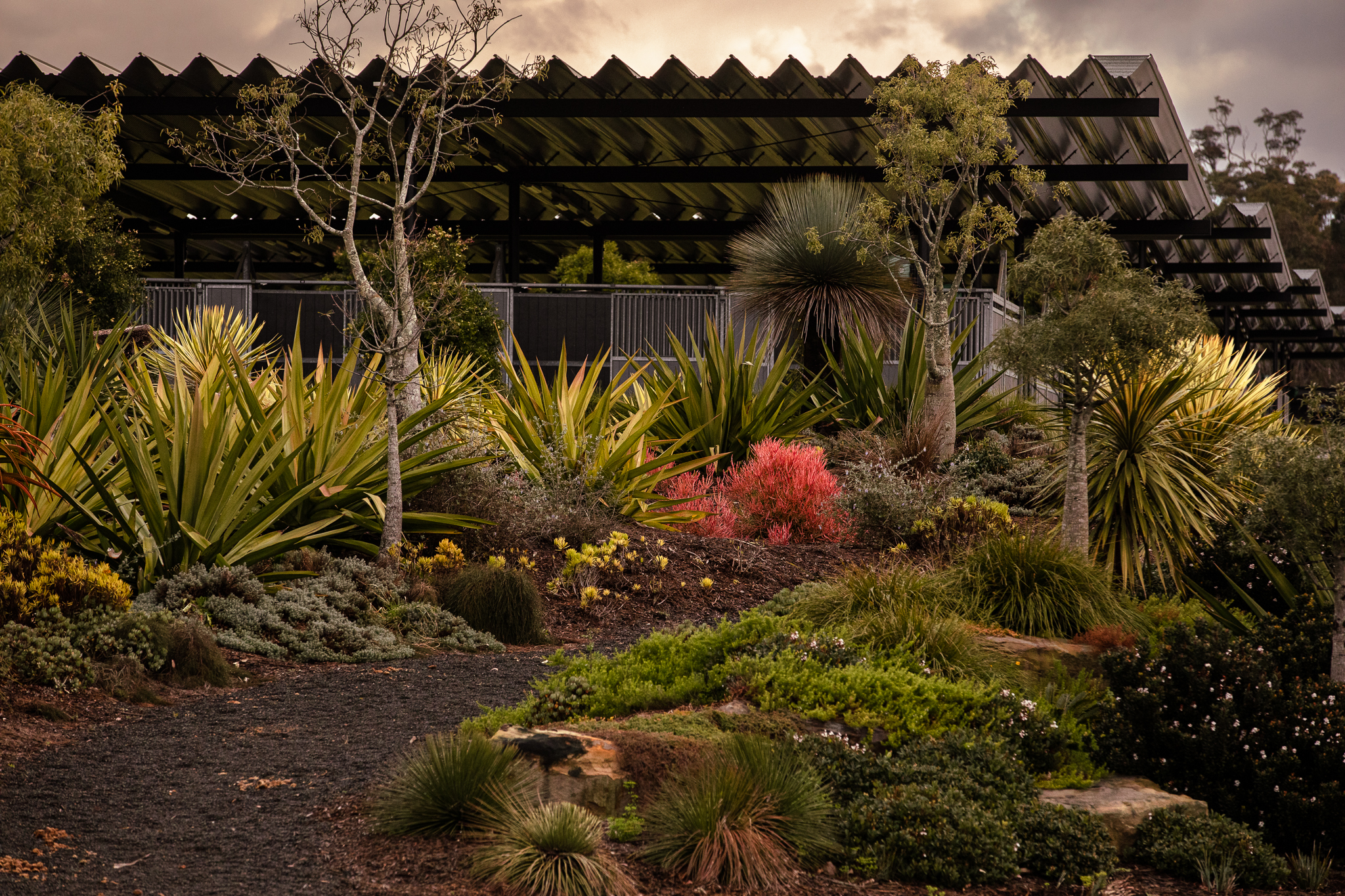
The planting mix layers Australian natives, many drawn from the south coast region, with selected exotics that add height, structure and seasonal change. This keeps canopy, nectar and habitat available across the year. It supports pollinators and birdlife, and it helps the property present as established rather than newly built.
Across the site, shaped paths, shallow planted channels and designed water features slow surface water and direct it into on site storage instead of allowing it to run off hard surfaces. That stored water then supports irrigation, keeps planting productive during heat and visitor peaks, and returns captured nutrients back into the garden beds rather than exporting them off site.
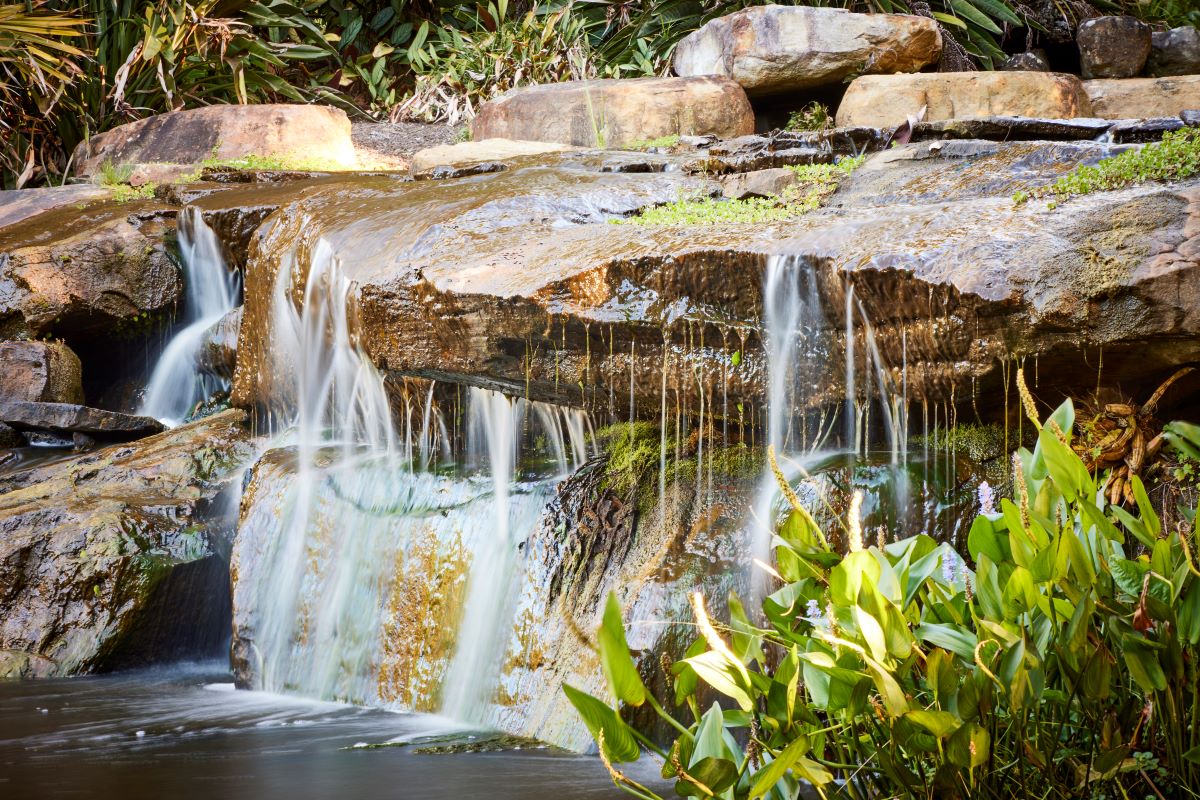
WATER REUSE AND CONTROL
Behind the planting is a water and waste system that is engineered for resilience and event demand. The property runs an underground hydrant network backed by high volume pumping capacity and generator support. Water pressure and supply remain available even during outages or high demand moments.
A central wastewater treatment facility is connected to sanitary fixtures across the site. It is designed to absorb major swings in visitor numbers during large events. Treated water is recirculated for reuse rather than discharged. This reduces draw on external supply, keeps irrigation self-reliant and keeps odour and visual impact under control.
Irrigation is managed to stay dependable through heat, wind and crowd peaks while remaining almost invisible in the landscape. Recycled water is treated to a high standard, held in on site storage and delivered mainly through subsurface lines beneath lawns and garden beds. Subsurface delivery keeps evaporation and drift to a minimum. It avoids overspray on paths and arena edges and it keeps public areas dry and clean while guests are on site. Watering is moved to cooler, low wind periods so water goes where it is needed, and presentation stays clean
Explore how our organic waste is repurposed through The Worm Farm.