

The power behind Willinga Park. Shepherd's wins national NECA award
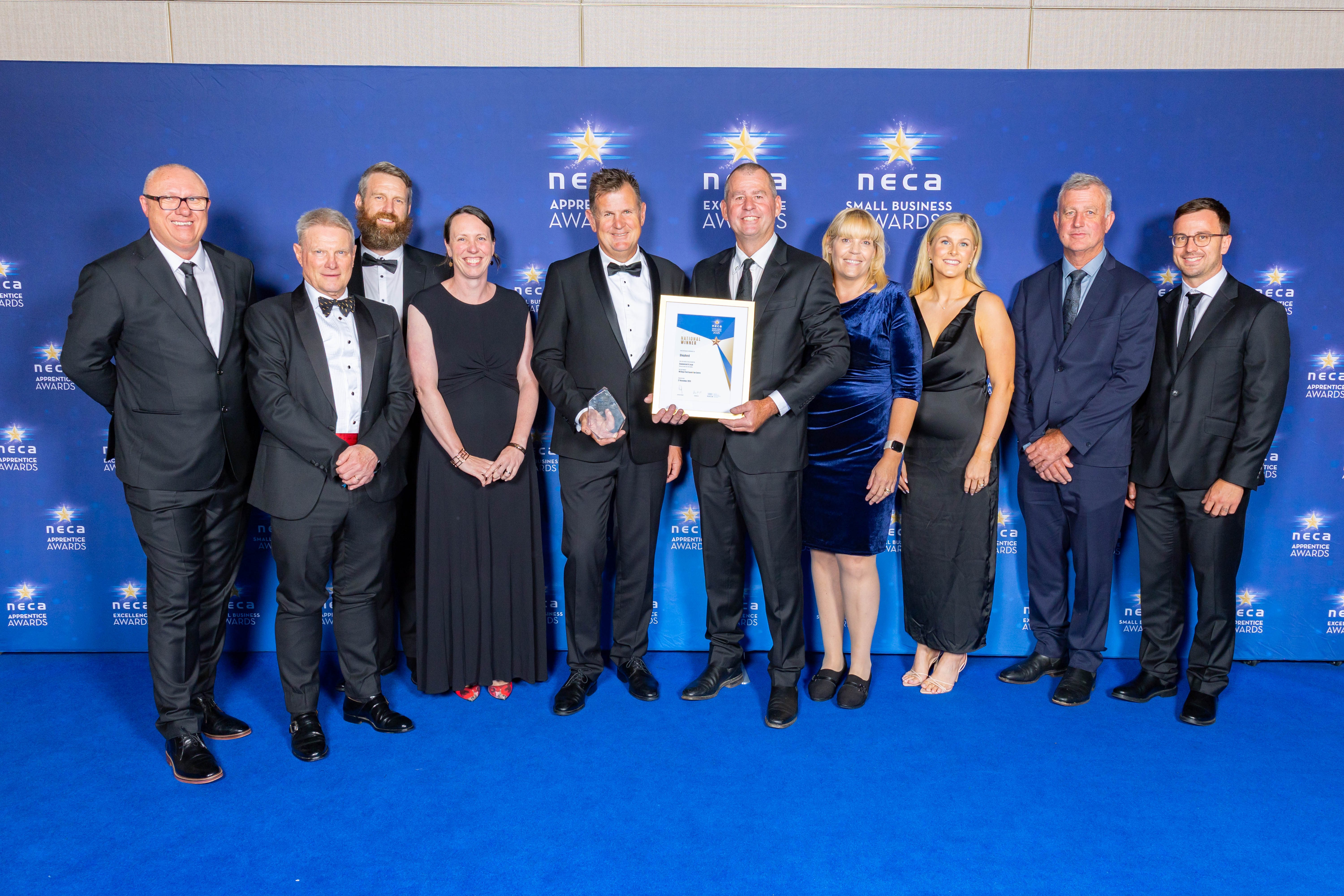
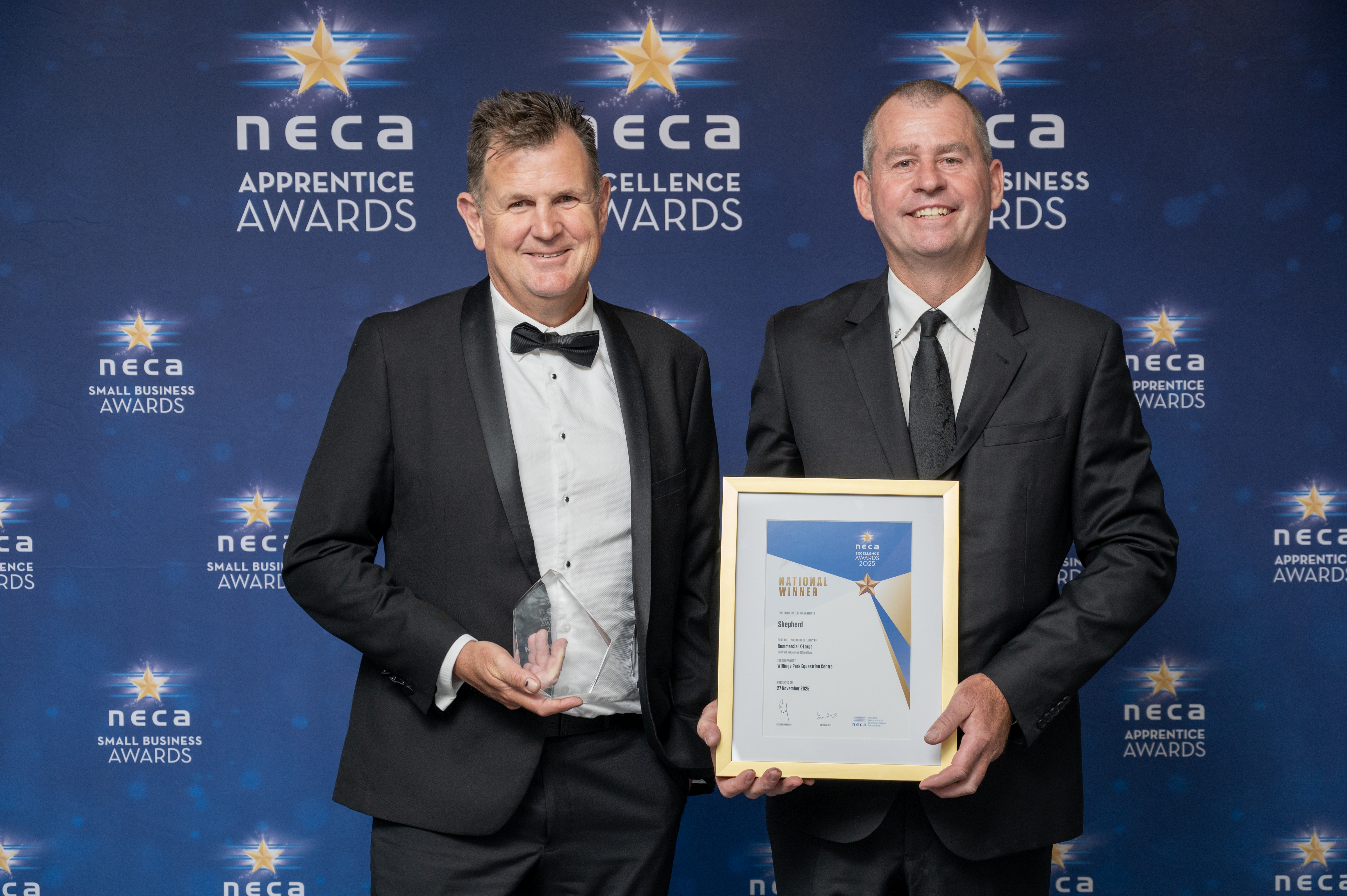
After more than a decade delivering the critical infrastructure that keeps Willinga Park running at world class standard, Shepherd's has been recognised nationally by winning the Commercial X Large category at the 2025 NECA National Excellence Awards, an acknowledgement of a project where the hardest work is the work most people never see.
Willinga Park is a vast, multi venue equine and events precinct on the NSW South Coast, built to Olympic standard across covered and outdoor arenas, extensive stabling, hospitality and accommodation and specialist facilities including a state of the art equine veterinary hospital. At more than 2,300 acres, it operates as a small town during peak events and that scale was the engineering challenge from day one.
From the outset, the brief was shaped by the late Terry Snow’s vision to push boundaries and build something genuinely world class in a regional setting. It demanded long term thinking, technical ambition and delivery partners who could evolve with the precinct as it grew.
“I’m extremely proud of Neil and Shepherd. Terry was a visionary. He wanted to push the boundaries to test what could be done, and Neil got tested. Willinga Park is an incredible facility. You just need to see it to believe it,” said Nick McDonald Crowley, Managing Director, Willinga Park.
That same ambition created a very real constraint behind the scenes, how to reliably power a venue of this scale during peak event periods, in a location where supply infrastructure was never designed for loads of this magnitude.
The problem was simple to describe and hard to solve. The existing grid connection could cover only the park’s lowest day to day demand. During events, maximum demand rises by four to five times to approximately 4MVA, well beyond the capacity of the available mains supply. At peak event periods, the precinct’s demand is estimated to be roughly double the combined load of nearby Bawley Point and Kioloa during their holiday surges, which can reach around 3.5MVA. With the region historically supplied via a single 11kV overhead feeder through bushland, resilience and redundancy were essential from the outset.
Shepherd’s solution followed two paths at once: work with the network provider to improve capacity and reliability of the incoming feeder including redundancy, and design a local, self sustaining power system capable of carrying everyday operations and major event peaks. That second path became the centrepiece: a hybrid microgrid designed, constructed and commissioned in a remote coastal environment, backed by controls and SCADA monitoring that allow the precinct to run smoothly even as loads and conditions change.
“What an honour. The project was simply awesome. Complex, difficult, the location was amazing, the client was inspirational, and every day was a challenge on site,” said Neil Shepherd, Director, Shepherd Electrical.
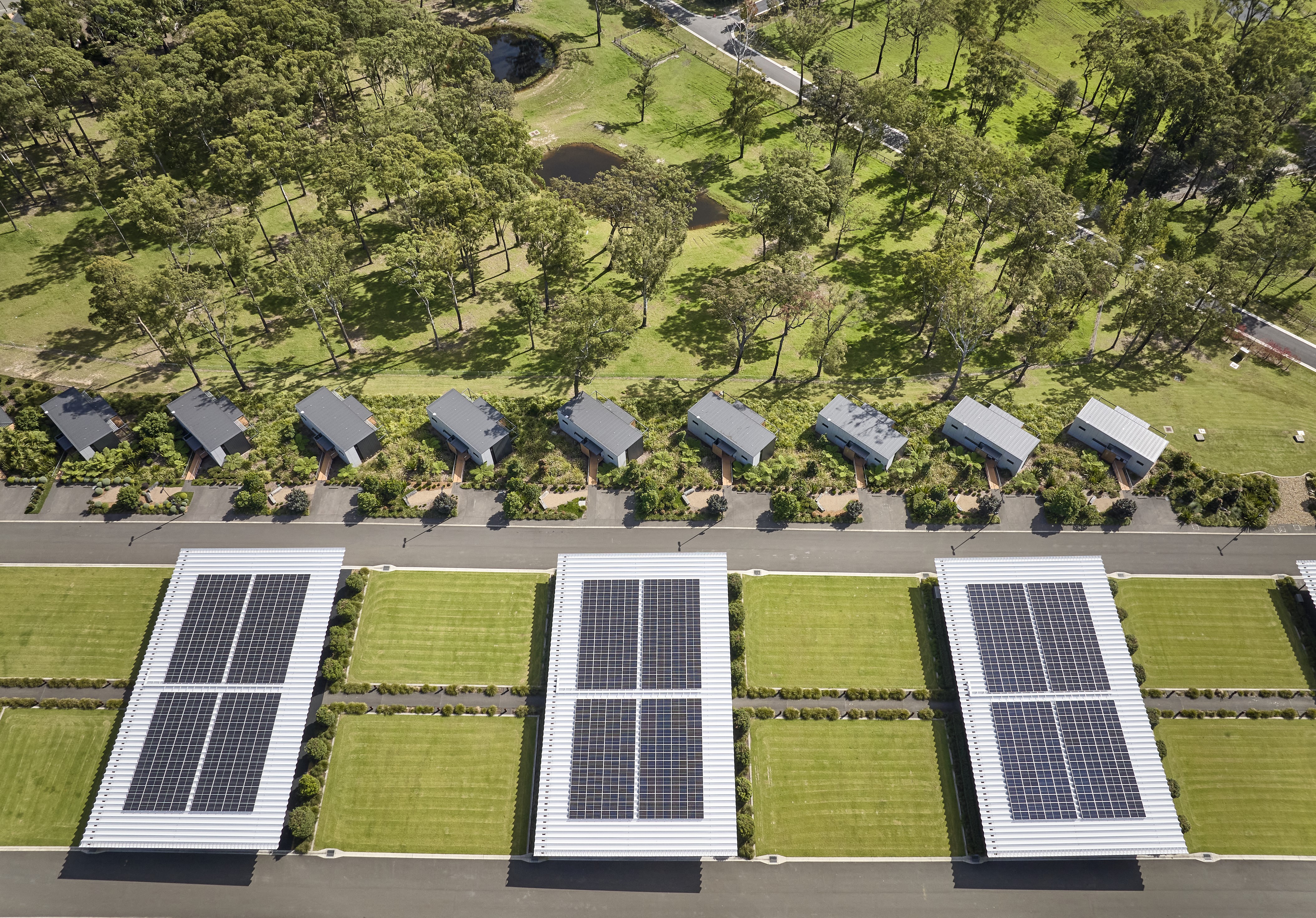
What Shepherd delivered at Willinga Park reads less like a standard electrical contract and more like a blueprint for modern precinct resilience. 1,299kW of solar PV including an additional 700kW added in 2023, 2,400kWh Tesla battery storage, three 4.3MVA prime rated generators, a 70,000L containerised diesel tank with integrated fuel and oil control systems, and a centralised powerhouse with step up transformers enabling 960V long distance distribution across a site where some submains exceed two kilometres. For guests and spectators, the experience is seamless. For the team behind it, it’s orchestration at scale.
The sustainability outcomes are equally tangible. The microgrid integrates multiple PV installations and on site battery storage to reduce emissions and operating costs. Outside of event peaks, the submission estimates the precinct runs 100% on renewables for approximately 85 to 90% of the year by days, operating cost neutral overall due to export back to grid. Demand reduction decisions were also built into the design. 100% LED lighting across the facility, and hot water predominantly shifted to natural gas to reduce peak electrical demand and ease pressure on the microgrid.
Delivering that outcome wasn’t just about equipment, it was about the discipline behind delivery. Remote procurement and logistics required rigorous programming, approvals and freight tracking, with materials and specialist contractors often coming from outside the region. Commissioning was extensive and deeply documented. Settings for PV and inverters, batteries, generators, supervisory controls and DC supplies, with an overall commissioning program approaching three months and technical testing described as taking more than two months.
And on a job of this scale, safety and people management become as critical as design. The project included high risk lifts including five tonne generators, deep excavations, large scale DC installations and precision battery placement where millimetres mattered. Shepherd also treated workforce wellbeing as a frontline safety issue, acknowledging the site’s remoteness created FIFO like conditions for many staff and requiring active management of fatigue, morale and mental health.
That human story is part of the legacy. At peak, Shepherd had 22 Canberra based staff working on site, plus a further 17 staff based locally on the South Coast, with weekly travel required for long stretches of the project. Apprentices completed substantial portions of their training on site, gaining exposure to a level of complexity rarely available in a single build.
For Willinga Park, the national recognition lands as more than an award. It validates a philosophy that ambitious regional projects can set national benchmarks when the vision is bold and the execution is uncompromising. For Shepherd Electrical, it spotlights a capability that extends far beyond light and power, into precinct scale power engineering, controls and energy systems that quietly underpin everything the public comes to see.
To contact Shephed
Address 5 Huddart Ct, Mitchell ACT 2911
Phone (02) 6241 2268
https://shepelectrical.com.au/