

The Traveller at the Water’s Edge | Summer Bird Survey
Willinga Park certainly does not slow down in summer. We are hosting events, welcoming guests, and the property remains full of movement. But from a birdlife perspective, midsummer can sound gentler than other seasons, not because the landscape is any less active, but because many species call less frequently once breeding has largely finished. That seasonal shift changes the way a survey day unfolds. Rather than being led by a loud chorus from canopy to fence line, you start noticing quieter signs of life, a flicker in low vegetation, a brief silhouette crossing an open patch, or a shape in the grass that only becomes obvious when it moves.
That change in rhythm is exactly what made our January and February Summer Bird Survey so rewarding, because it reminded us that summer is not empty, it is simply more discreet.
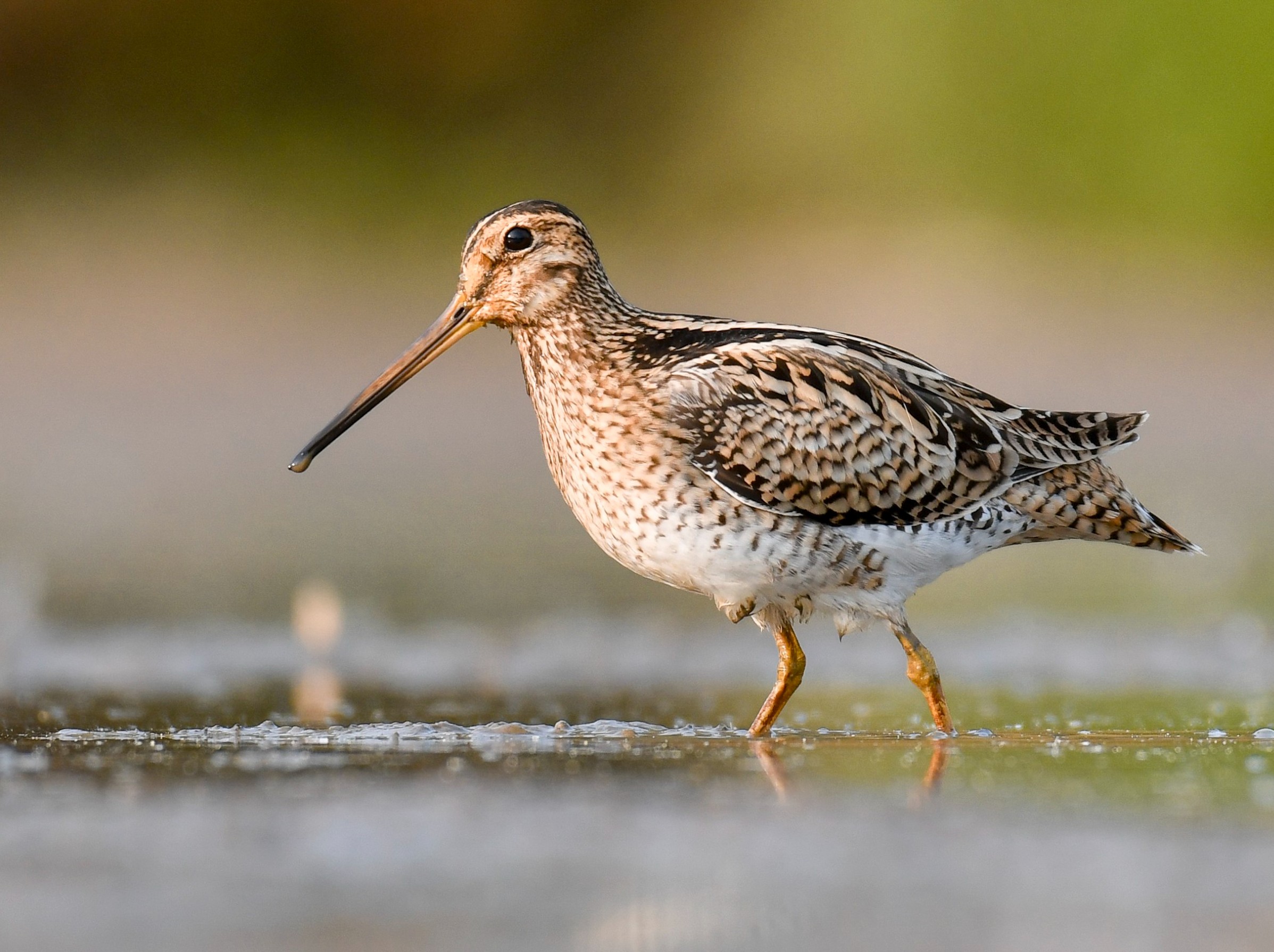
Among the familiar species recorded across the wetlands, woodland and botanic garden, Latham’s Snipe stood out as a genuine highlight. It is a species we rarely record at Willinga Park, and it suits the understated nature of late summer perfectly. It is not a bird that announces itself with a call from a branch or a flash of colour across open water. Instead, it belongs to damp grass, reedy margins, and the quiet in between places where camouflage does most of the work, and where you can walk surprisingly close without ever realising it is there.
Meet Latham’s Snipe, the bird you almost do not see
Latham’s Snipe is the kind of bird that makes you rethink what a good sighting looks like, because it is rarely a clean, obvious view. More often, it is a moment you notice in hindsight, when a shape that looked like grass lifts and shifts, and you realise the landscape has been holding something all along.
If you are hoping to spot one, the secret is not to scan the obvious places, but to watch the edges. Damp ground, low vegetation, reedy margins, and the softer transitions between water and land are where snipe belong, and they reward patience rather than pursuit. They are masters of stillness, relying on camouflage and quiet feeding habits, which is why you can be close and still miss them entirely if you are moving quickly.
That is also why this record matters. When a rarely seen species turns up in a summer survey, it suggests that, at least for that moment in the season, the property was offering the right combination of conditions, cover, suitable feeding habitat, and a feeling of safety at ground level.
A survey shaped by habitat variety
This summer survey moved through multiple habitat blocks across the property, spanning wetland areas, woodland pockets, and the botanic garden, and it is that variety that helps a survey become more than a list. Different habitats do not just hold different species. They hold different behaviours, different feeding styles, and different ways of being present, which is especially noticeable in summer when birds may be more dispersed and less vocal.
Wet places, in particular, continue to do quiet heavy lifting at this time of year. Even when the air feels still and the calls are fewer, lake edges and wetland margins can support a surprising amount of activity because they offer exactly what summer birds need, cover, insects, soft ground, and a stable feeding edge. It is also where a bird like Latham’s Snipe makes the most sense, because it relies on the margins where water meets grass rather than the open stage.
Other summer moments that mattered
While Latham’s Snipe was the standout for its rarity, it was not the only species in the summer survey that reminded us how much can be present without making much noise about it. One of the most interesting themes across the survey blocks was how many birds were recorded through glimpses rather than calls, with quick movement through the mid storey, a sudden crossing over the lake edge, or a bird sitting so still that you only notice it once you have stopped walking.
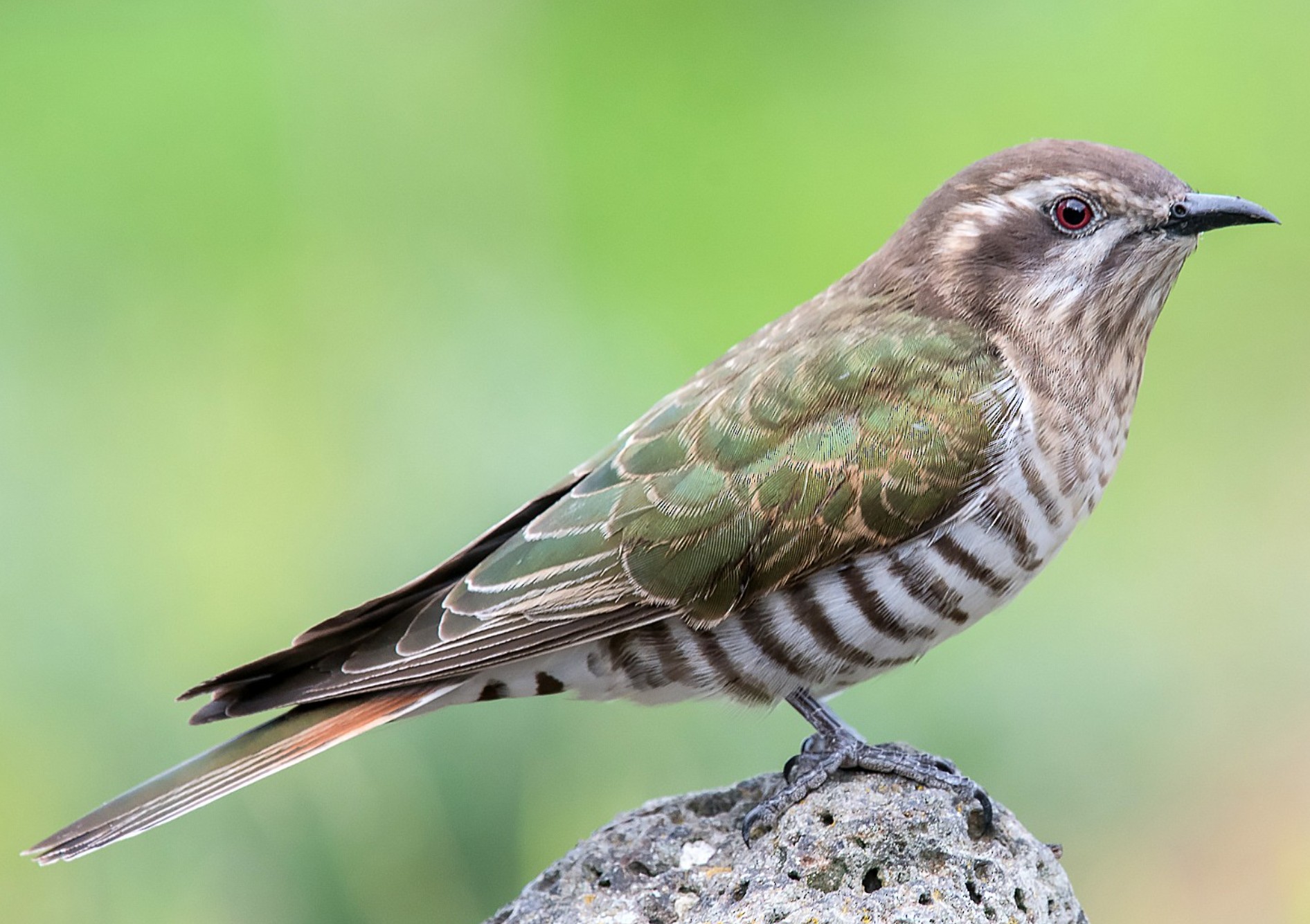
Two of the other rarely seen records were particularly notable for that same reason, Nankeen Night Heron and Horsfield’s Bronze Cuckoo. Neither is a species you are likely to pick up casually while moving through the property at pace, and both tend to be well hidden, passing through, or active at times of day when most people are not looking. Seeing those names appear alongside Latham’s Snipe gave this survey a strong sense of quiet value, not necessarily more birds, but birds that suggest habitat complexity and seasonal movement.
Across the wetland blocks, the survey also captured a reassuring mix of familiar water associated species that reflect how productive these edges can be in summer. White faced Heron and Straw necked Ibis stood out as strong wetland presences, and species such as Purple Swamphen, Masked Lapwing, and Willie Wagtail reinforced that even when the broader soundscape feels gentler, wet places still hold steady activity, especially where vegetation and shallow margins create feeding opportunities.
In the woodland blocks, the list shifted toward smaller bush birds, the kinds of species that are often heard more than seen, and in summer are just as likely to be recorded from movement alone. Brown Thornbill, White browed Scrubwren, Eastern Yellow Robin, and Golden Whistler bring texture to the bushland sections of the property, and their presence across the survey areas helps explain why the experience can feel subtle rather than quiet. The life is there, it is simply operating in layers.
The botanic garden, meanwhile, showed its role as a bridge between habitats, with a mix that included larger waterbirds such as Black Swan and Great Egret alongside familiar generalists such as Australian White Ibis, plus species like Australian Magpie and Pied Currawong that move confidently between open areas and planted zones. It is also where the notes around vegetation change become relevant, because shifts in structure can affect how birds use the space over time, even when the garden still feels lush and settled to the casual visitor.
Taken together, these records are what make seasonal surveys so valuable. They do not just tell us what is around. They show us which habitats are carrying life through midsummer, how the balance between wetlands and woodland expresses itself in different bird communities, and why a rarely seen visitor like Latham’s Snipe is more meaningful when it appears as part of a broader picture rather than as a single isolated sighting.
How guests can look for birds without disturbing them
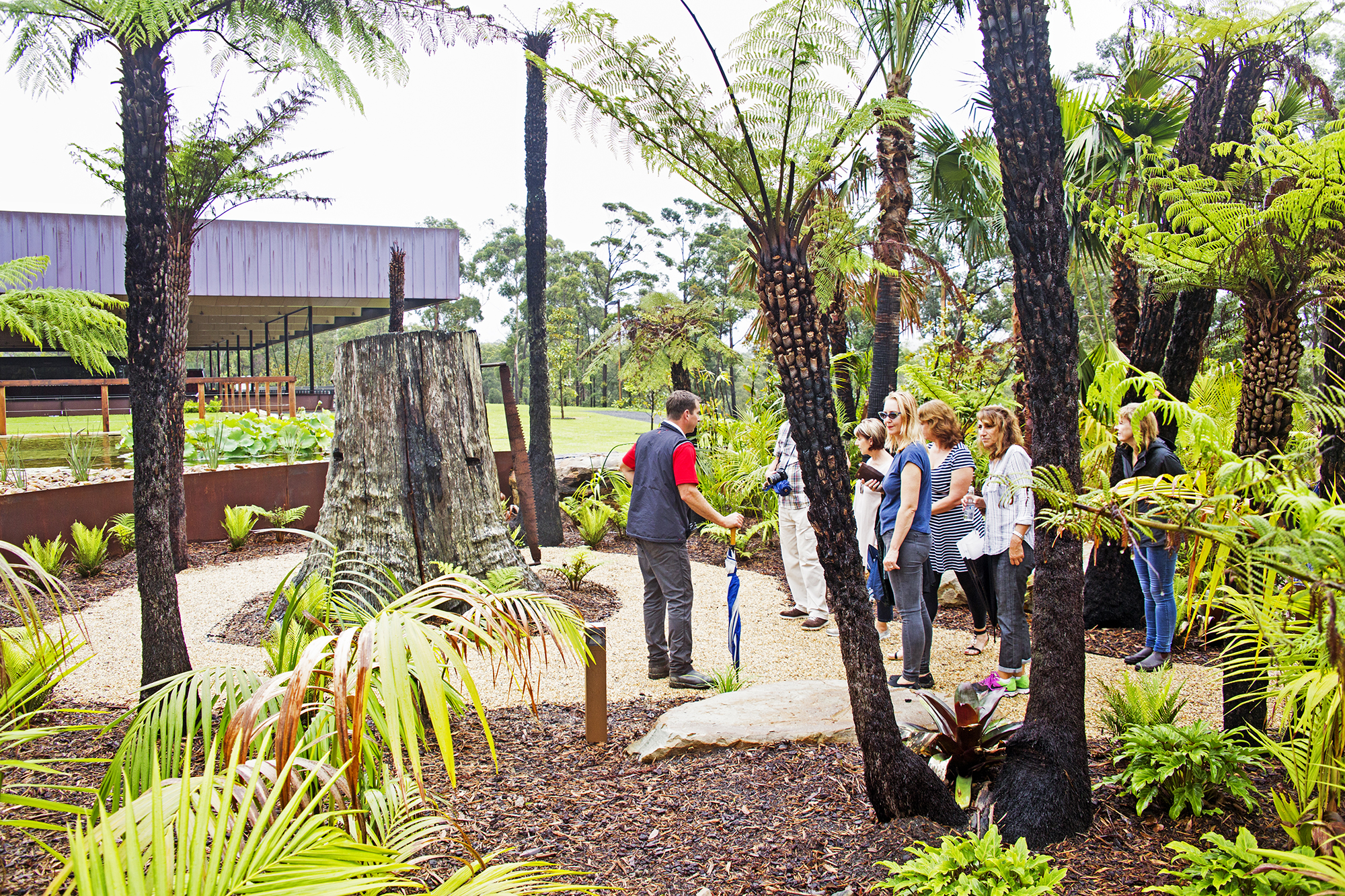
If there is one takeaway from a summer survey like this, it is that the best wildlife experiences often come from adjusting pace rather than covering ground. If you are staying at the park or visiting during an event, you can support birdlife simply by observing thoughtfully.
Spend time at the edges, especially around lake margins, wetland fringes, and damp grass, rather than expecting everything to be out in the open. Pause often and watch for small movement in low vegetation, particularly early or late in the day when light is softer. Keep a respectful distance and avoid flushing birds from cover, because the goal is always observation, not interruption.
Looking ahead
A summer survey does not always deliver big, loud moments, but it does something more useful. It gives us seasonal reference points we can compare year to year as habitats evolve and conditions change. This round reminded us that when the birdsong softens, the story does not stop. It simply moves closer to the ground and into the margins, where birds like Latham’s Snipe have always preferred to live.
And for us, that is the quiet magic of summer birdlife at Willinga Park. Even when calls are fewer, the landscape is still holding travellers, still offering habitat, and still rewarding the people who slow down enough to notice.