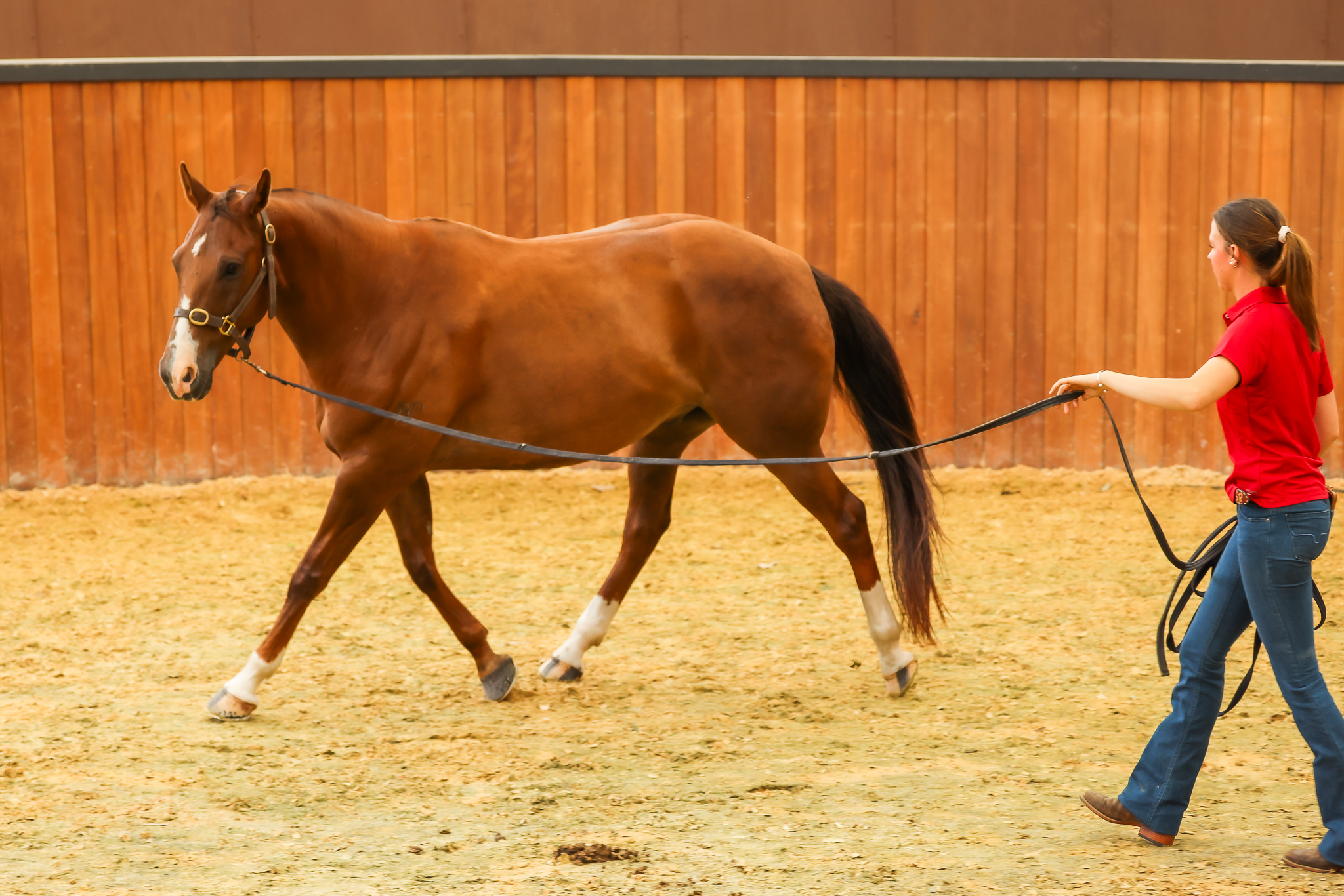
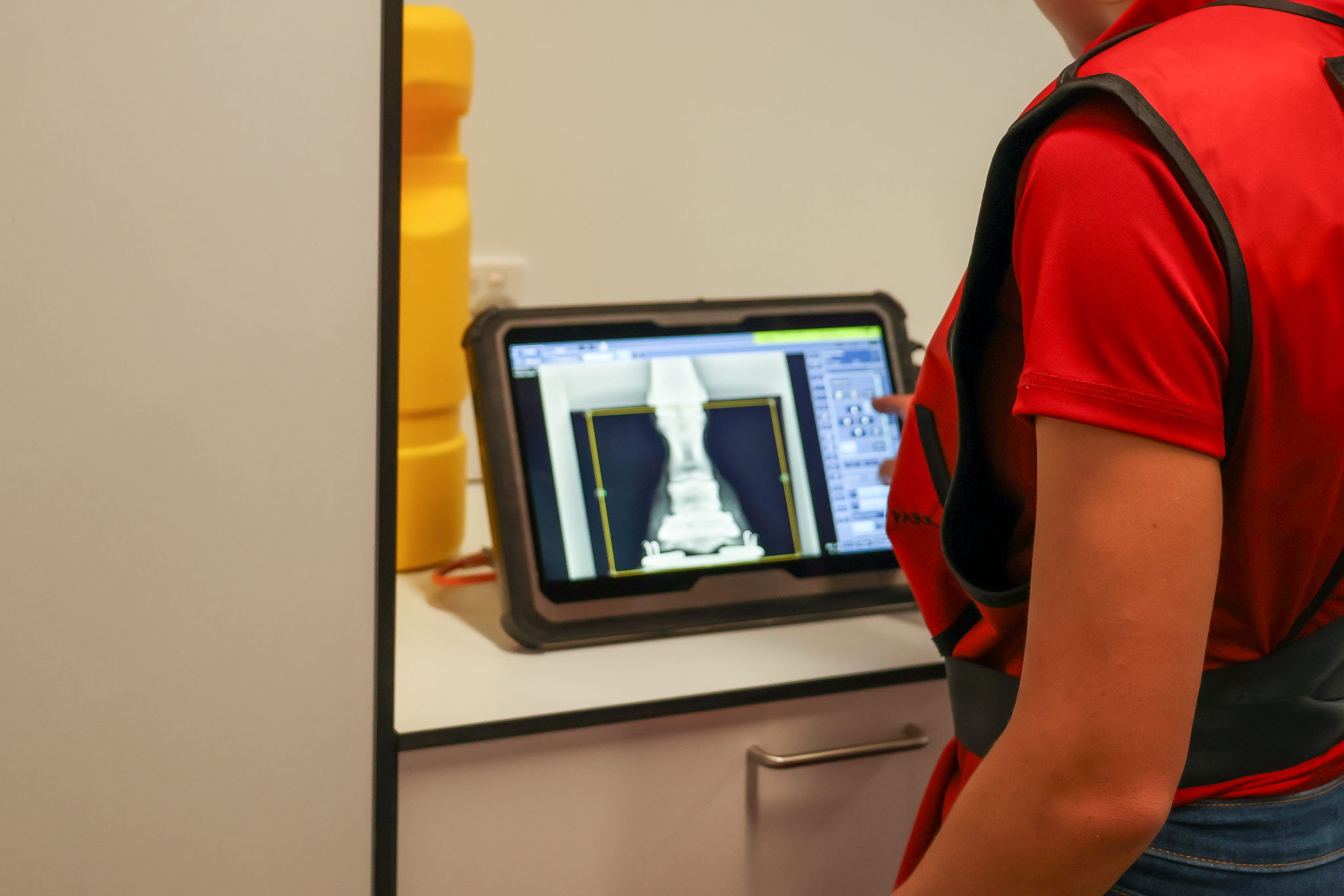
On assessment day, our Sports Medicine team works through a methodical process to localise the source of pain, then use targeted imaging to confirm a diagnosis and build a realistic treatment and rehabilitation plan. This is the approach that helped a Warmblood showjumper with more than two years of unresolved hindlimb lameness finally get answers, when earlier investigations had still not identified the cause.
The assessment process
What to bring
To help us build the clearest picture, bring what you can from the list below.
• Any previous imaging reports and vet notes
• A simple timeline of when the issue started and what changed
• Shoeing history and recent workload changes
• Short videos if you have them, especially under saddle
• Your usual tack if a ridden assessment is recommended
What happens next
After the assessment, you will receive a clear summary of what we found and what we recommend as the next steps. If a diagnosis is confirmed, we will put together a treatment and rehabilitation plan tailored to your horse and their intended job.
Treatment will depend on the diagnosis, but may include therapies such as ultrasound guided PRP, followed by a structured rehabilitation program. This can include careful early management, gradual increases in exercise, close monitoring, and follow up imaging or reassessments if needed.
Where appropriate, we can also coordinate with your local veterinarian so ongoing management and rechecks can happen closer to home.