

Ulcer Scoping With Greater Flexibility
Concerns about your horse’s health, behaviour or performance do not always arise during a designated week. That is why Willinga Park Vet Hospital is moving away from scheduled Scoping Weeks and making ulcer scoping available by appointment.
This more flexible approach allows owners to arrange gastroscopy when concerns emerge, rather than waiting for the next allocated week. It also creates an opportunity to look beyond the scope itself and consider the horse’s broader health, management and performance.
More than a look inside the stomach
Each ulcer-scoping appointment includes a full consultation, gastroscopy and sedation for $220 plus GST. Owners should allow approximately one hour for the appointment.
The consultation provides time to discuss all things gastric ulcer related and any additional concerns about the horse. These may include coughing, nasal discharge, unusual masses, tying up, back pain or skin problems, as well as changes in appetite, condition, behaviour or performance.
This collaborative approach allows our experienced vets and specialists to consider the gastroscopy findings alongside the horse’s history and other clinical signs, then discuss the most appropriate next steps with the owner. Extensive recommendations on continued dietary and environmental management changes are provided based on gastroscopy findings.
What happens during gastroscopy?
Gastroscopy is the most reliable way to examine a horse’s stomach and oesophagus.
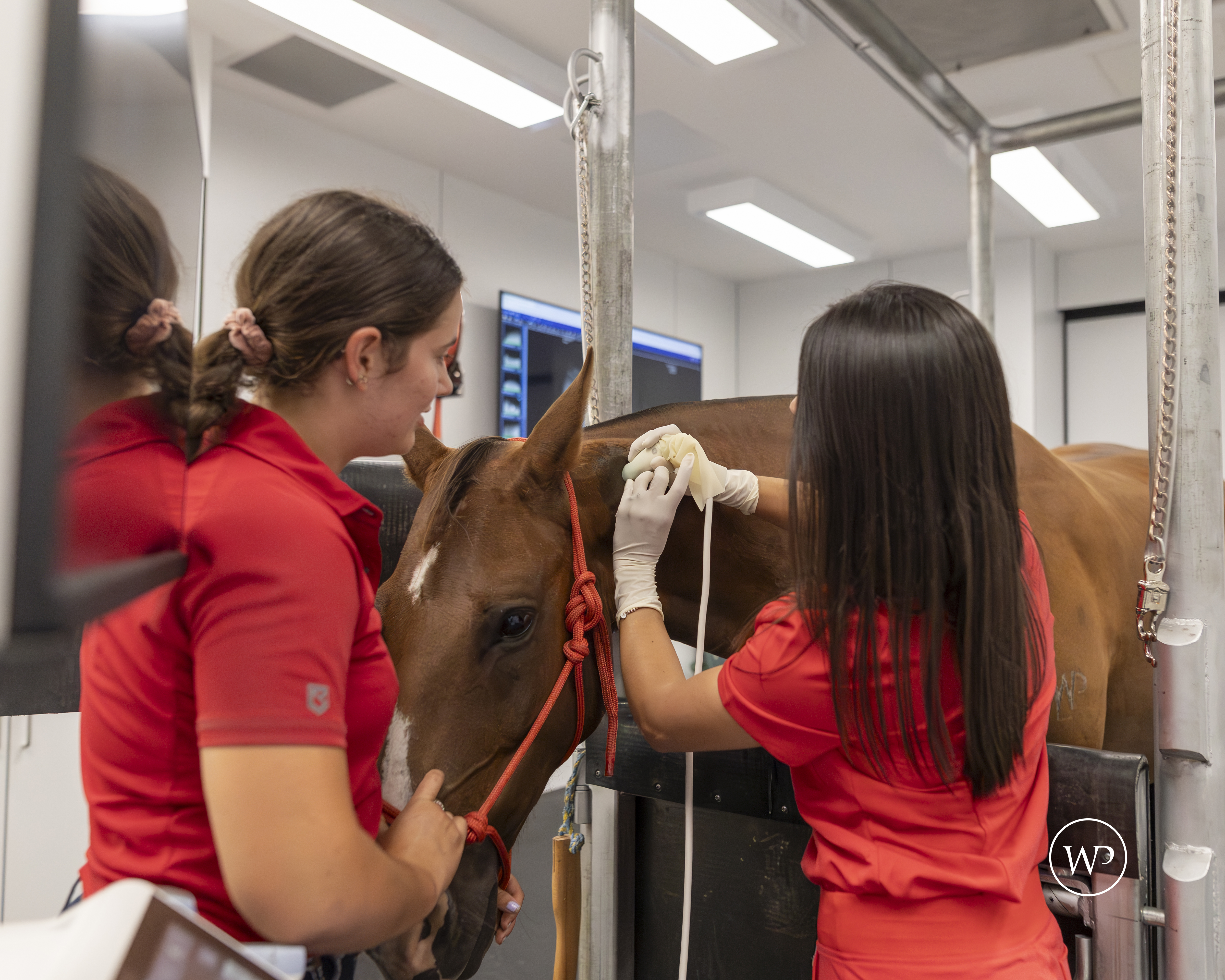
At Willinga Park Vet Hospital, the procedure is performed using a three-metre flexible high-definition endoscope. With the horse sedated, the camera is passed through the nostril, along the oesophagus and into the stomach. This allows the veterinary team to examine all regions of the oesophagus and stomach, including the proximal duodenum.
The examination can identify gastric ulcers and determine whether they affect the squamous or glandular regions of the stomach. This distinction is important because different forms of gastric disease may require different treatment and management strategies. Gastroscopy may also identify other abnormalities, including gastric impactions, parasites, masses, oesophageal strictures or trauma.
Gastroscopy may be recommended for horses showing signs such as:
· Weight loss or difficulty maintaining condition
· Poor or inconsistent appetite
· Reduced performance
· A dull coat
· Mild or recurrent colic
· Discomfort when the girth is tightened
· Behavioural changes
· Loose manure
These signs are not exclusive to gastric ulcers, which is why a complete consultation and direct examination of the stomach can provide valuable clarity.
Preparing for the appointment
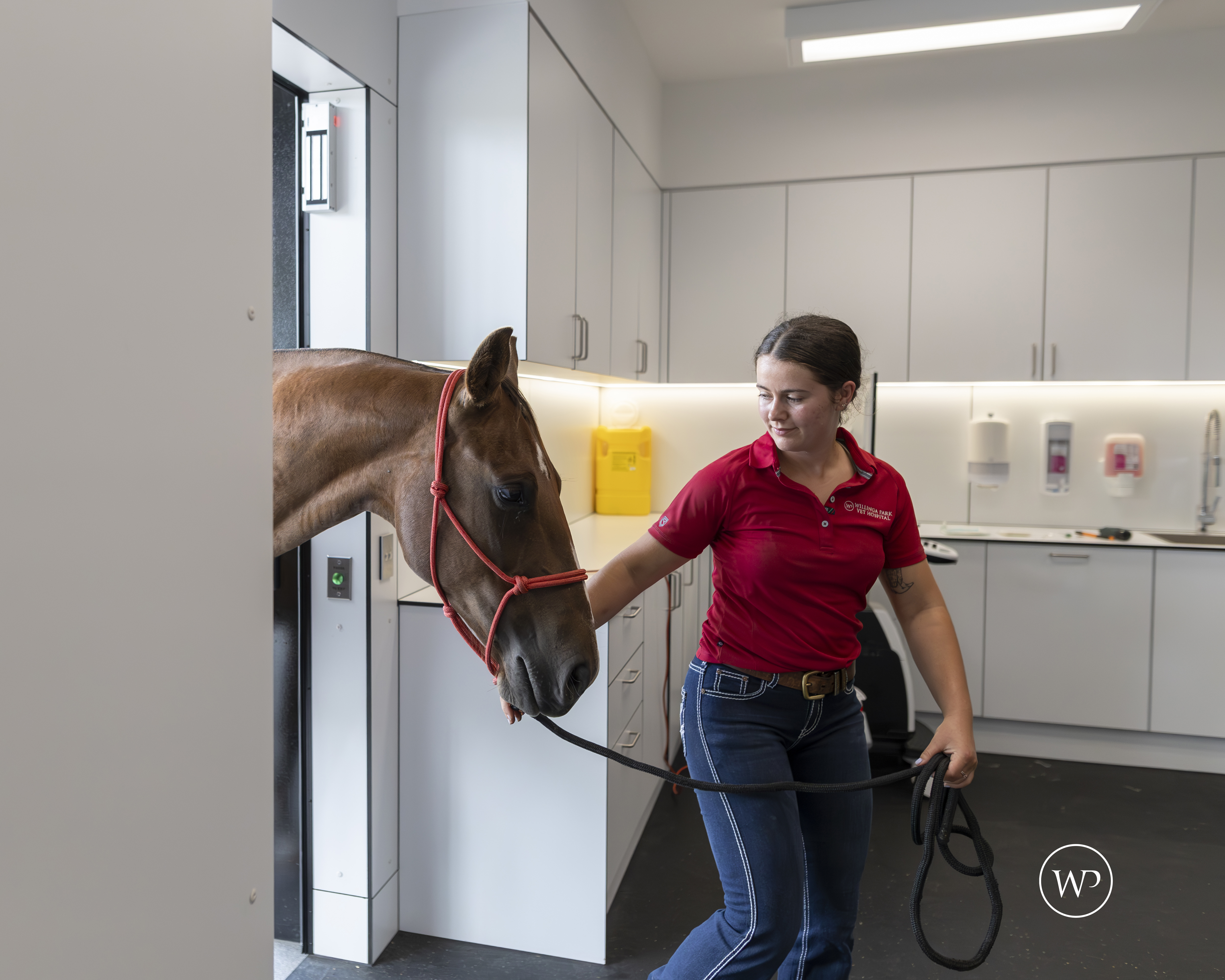
The stomach must be empty for its lining to be examined properly. Horses must therefore be fasted for 12 to 16 hours before gastroscopy. Preparation information will be provided when the appointment is booked.
By making ulcer scoping available by appointment, Willinga Park Vet Hospital can provide greater flexibility while maintaining the specialist, collaborative approach that helps owners understand what is happening and make informed decisions for their horse.
To discuss whether gastroscopy may be appropriate for your horse or to arrange an appointment, contact Willinga Park Vet Hospital on (02) 4405 5658.