Reproduction Services

Reproduction Services

Advanced equine reproductive care supported by specialist expertise and leading reproductive technologies.

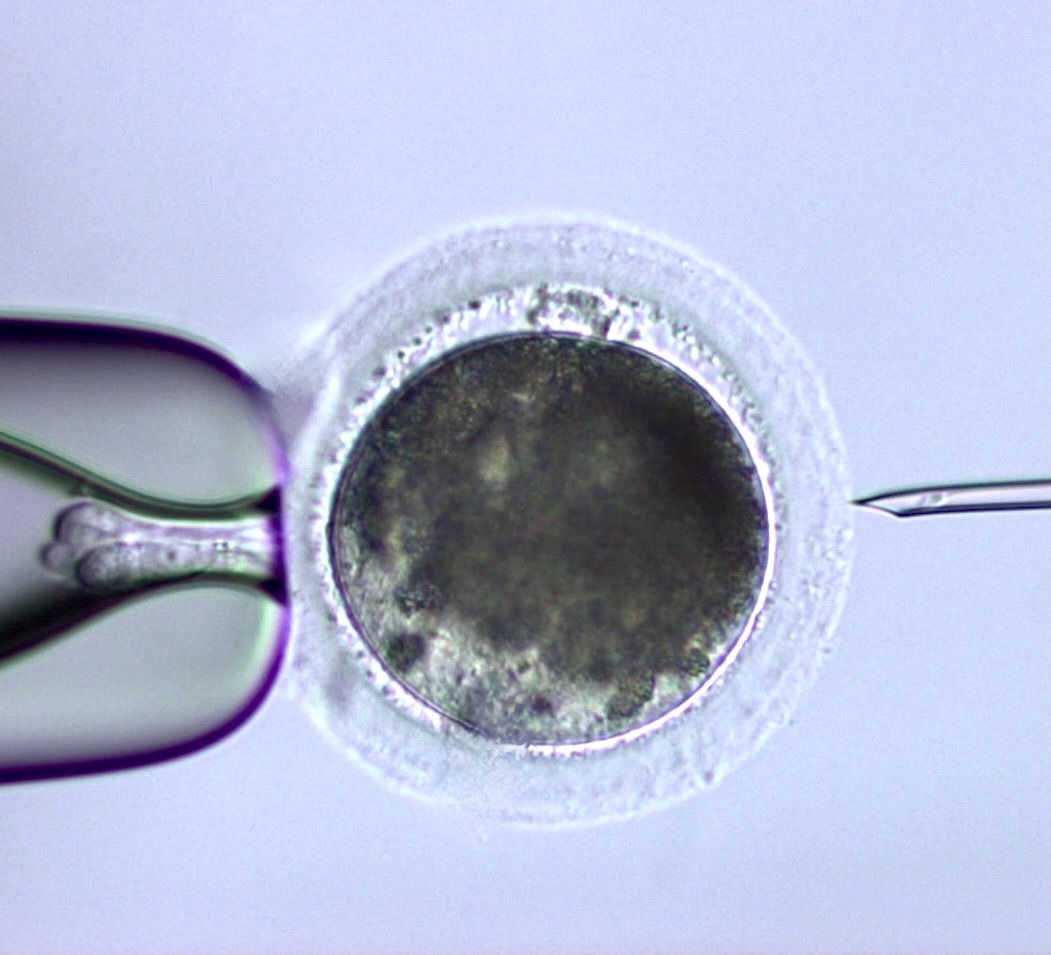
An oocyte being injected using the ICSI technique

We are proud to announce that Ovum Pick-Up (OPU) is now available at Willinga Park through a collaboration with Registered Specialist in Equine Reproduction Dr Gus Ruiz and the University of Sydney Equine Reproduction Team.

This partnership gives mare owners access to advanced assisted reproductive technologies through Willinga Park Vet Hospital.

Advanced breeding options

Why choose OPU and ICSI?

OPU and ICSI can provide breeders with greater flexibility while helping maximise valuable genetics and reproductive opportunities.

01

Performance mares

Mares can continue competing, with only short interruptions to their training program.

02

Valuable or limited semen

ICSI requires just one sperm per oocyte, helping breeders make greater use of limited or valuable semen.

03

Sub-fertile mares

Mares unable to carry a pregnancy or produce embryos through standard embryo transfer may still produce viable oocytes.

04

Greater flexibility

OPU can be undertaken throughout the year, with viable embryos frozen and stored until a suitable recipient mare is available.

The process

How OPU and ICSI work

OPU is undertaken at Willinga Park Vet Hospital before the recovered oocytes are sent to an ICSI laboratory.

01

Mare assessment

A veterinary ultrasound 5 to 7 days before the procedure helps confirm suitability and the number of available follicles.

02

OPU procedure

The mare is sedated and prepared before the ovarian follicles are individually aspirated using specialised ultrasound-guided equipment.

03

ICSI laboratory

Recovered oocytes are matured before a single sperm is injected into each mature oocyte.

04

Embryo development

Fertilised oocytes are cultured for 7 to 9 days, with viable embryos frozen for future transfer.

Client information guide

Download the OPU and ICSI information package

Learn more about mare suitability, the OPU procedure, aftercare, the ICSI process and expected outcomes.

Download brochure

Meet the specialist

Dr Gus Ruiz

Registered Specialist in Equine Reproduction

DVM MSc MANZCVS (Reproduction) Dipl. ACT

Dr Gus Ruiz completed his veterinary training in Argentina, where he developed a strong focus on equine reproduction and became a registered specialist in Reproduction.

His international experience includes working with an embryo transfer program in Qatar before completing a Master of Science and residency training in equine theriogenology at Washington State University in the United States.

Dr Ruiz is a Diplomate of the American College of Theriogenologists and a Member of the Australian and New Zealand College of Veterinary Scientists in Reproduction.

Since moving to Australia in 2020, Dr Ruiz has worked with the University of Sydney’s Camden Equine Centre, bringing extensive experience in advanced equine reproductive techniques, fertility management and assisted reproductive technologies.

Client information

Frequently asked questions

Important information about mare suitability, the OPU procedure, aftercare and expected outcomes.

What is OPU? +
OPU is a procedure where small ovarian follicles are carefully punctured and aspirated to collect oocytes, or unfertilised eggs, directly from the mare’s ovaries.
Is my mare suitable for OPU? +
Mares from 3 to 4 years old, in good health and body condition, with at least 15 follicles measuring between 10 mm and 25 mm may be suitable. A veterinary ultrasound 5 to 7 days before OPU is required to confirm eligibility and prioritise welfare.
How often can OPU be performed? +
OPU can be repeated approximately every 3 weeks, provided the mare has recovered well from the previous procedure and has sufficient follicles on ultrasound.
Does OPU affect future fertility? +
No. OPU does not harm long-term fertility. The ovaries recover within a few days, and mares return to normal cycles with new follicles developing and ovulating as usual.
What aftercare is required? +
Mild discomfort may occur for 1 to 2 days. Rest and close monitoring are important, and intensive training should be avoided for at least 7 days. Light work and walking should generally be well tolerated.
What type of semen can be used? +
Fresh, chilled or frozen semen can be used. Written permission from the semen owner is required, and the semen must arrive at the ICSI laboratory before the OPU session because timing is critical.
What are the expected success rates? +
Outcomes vary between mares. On average, an oocyte is recovered from 50 to 60 per cent of follicles, approximately 60 per cent of harvested oocytes mature for ICSI, and the chance of producing one or more embryos from a single OPU and ICSI session is approximately 60 per cent. Multiple sessions may be required.
How long does the process take? +
The OPU procedure generally takes between 45 minutes and 1 hour. It takes approximately 10 days from the OPU procedure to receive the embryo result from the ICSI laboratory.

Share this page