

What Winter Rugs Can Hide
As spring gets closer, it is a good time to take the rugs off, step back and have a proper look at your horse.
Winter coats and heavy rugs can hide gradual changes in weight, muscle, skin and overall condition. Spotting those changes now gives you time to make adjustments before pasture growth, warmer weather and increased work begin.
Check their body condition
Run your hands over the ribs, neck, shoulders and rump.
Has your horse lost more condition than expected through winter? Or have they gained weight without it being obvious beneath the rugs?
Both are worth noticing. Weight loss may mean their feed, teeth or general health need reviewing. Extra condition can also become important as spring grass starts to come through, particularly for ponies and horses prone to laminitis.
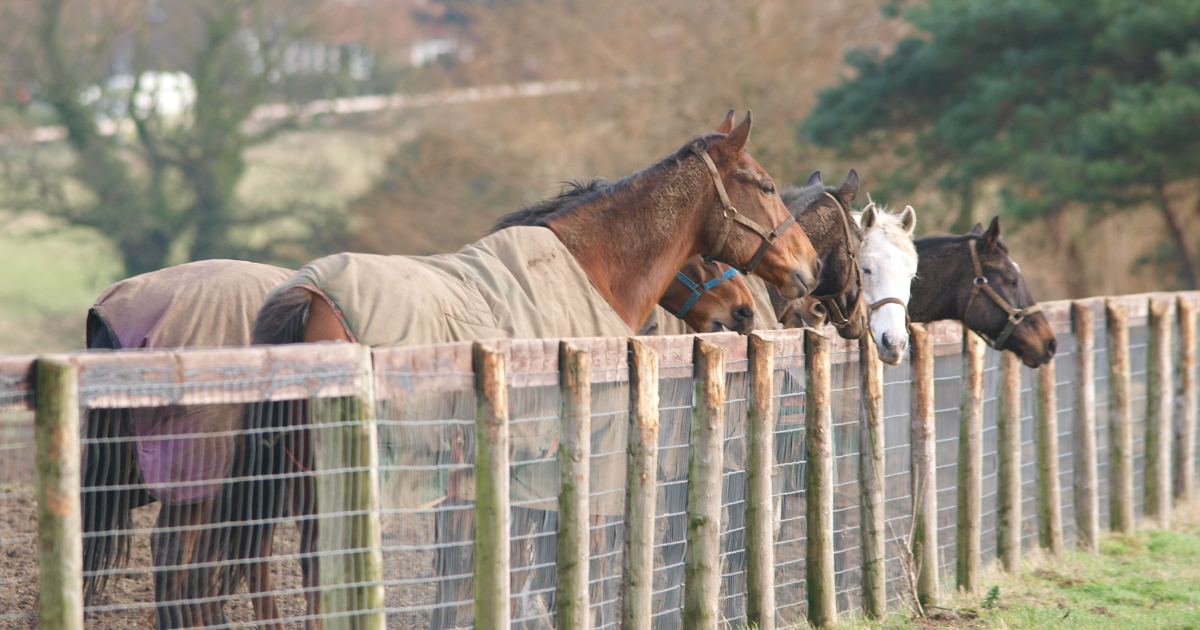
Look along the topline
Take a close look behind the withers, along the back and over the hindquarters.
Some horses lose muscle through winter, especially if they have been doing less work. Obvious or uneven changes can also be linked to saddle fit, discomfort, nutrition or other health concerns.
Before bringing your horse back into regular work, check whether their body shape has changed enough to affect how the saddle fits.
Check the skin
Pay attention to the shoulders, chest, withers, back and rump.
Look for rubs, scabs, hair loss, damp patches, wounds or areas that feel hot or sore. Check the inside of the rug too, as worn lining, dampness or clumps of hair can show where it has been leaking or rubbing.
A small rub may only need a rug adjustment, but anything painful, spreading or slow to heal is worth having checked.
Notice any changes in the coat
Not every horse sheds at the same rate, but it is still worth noticing whether your horse’s coat looks and feels normal for them.
An older horse that is slow to shed, losing muscle or changing shape may benefit from a veterinary check, particularly if there have also been changes in drinking, energy levels or hoof health.
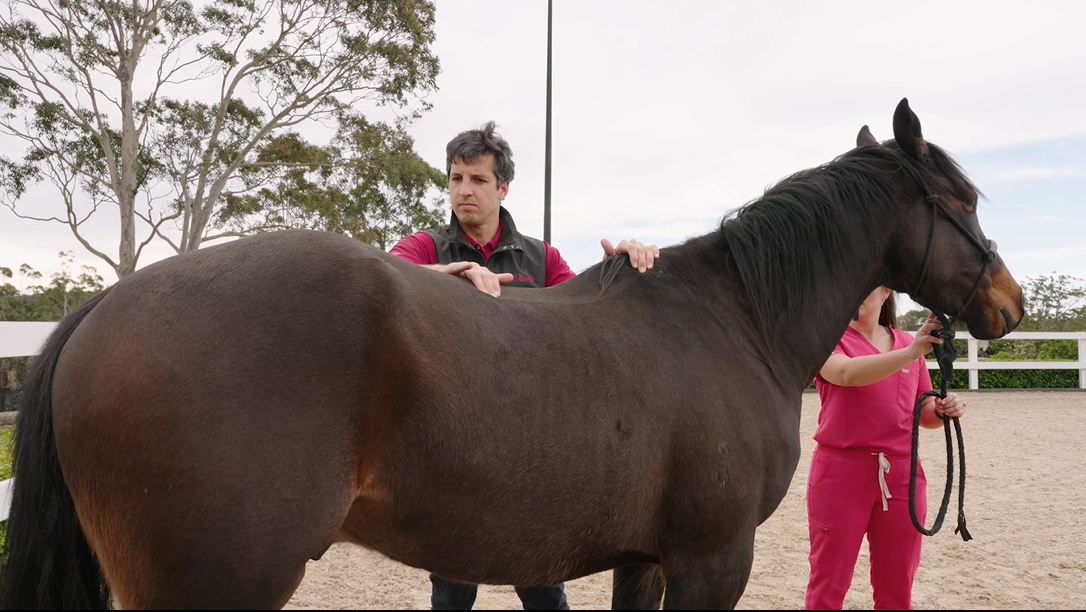
Feel for anything new
Run your hands over the whole horse and compare both sides.
Look for new lumps, swelling, tenderness or areas where your horse reacts when touched. Some may be minor, but anything new, growing, painful or difficult to explain should be discussed with your veterinarian.
A few minutes now can make a difference
The aim is not to find something wrong. It is simply to know what is normal for your horse and recognise when something has changed.
Taking the rugs off, having a proper look and running your hands over your horse can help identify small concerns before spring is well underway. Taking photographs can be helpful for comparison sake.
If you notice an unexpected change in your horse’s weight, topline, skin or coat, contact the Willinga Park Vet Hospital team. We can help determine whether a management adjustment is needed or whether it is worth arranging a veterinary health check.